STORGATA - TRANSFORMATION
AHO, 6th semester, Spring 24
Location: Storgata, Oslo
We are moving into an era of increased urbanization and resource scarcity. According to the United Nations, it is expected that more than 3 billion people will move to cities by 2050. This means that 68% of the world’s population will live in cities by then. Urbanization creates great opportunities but also great challenges. Rapid urbanization means that many people are competing for the same resources. In the future, funds and resources will be prioritized for handling acute crises, such as health crises and natural disasters. This means fewer resources for other important functions in the city. This can result in, among other things, a deprioritization of public services and a lack of good affordable housing. How can we create resilient cities to handle the challenges of the future? When resources are scarce, the community becomes an important resource to fall back on in future cities. The community can help reduce vulnerability and build capacity to better handle future challenges. It is in this context that this project finds its place. The goal is to explore the importance of community in the design of urban spaces and architectural structures. The project is about creating spaces that facilitate interaction, belonging, and sustainable community development.
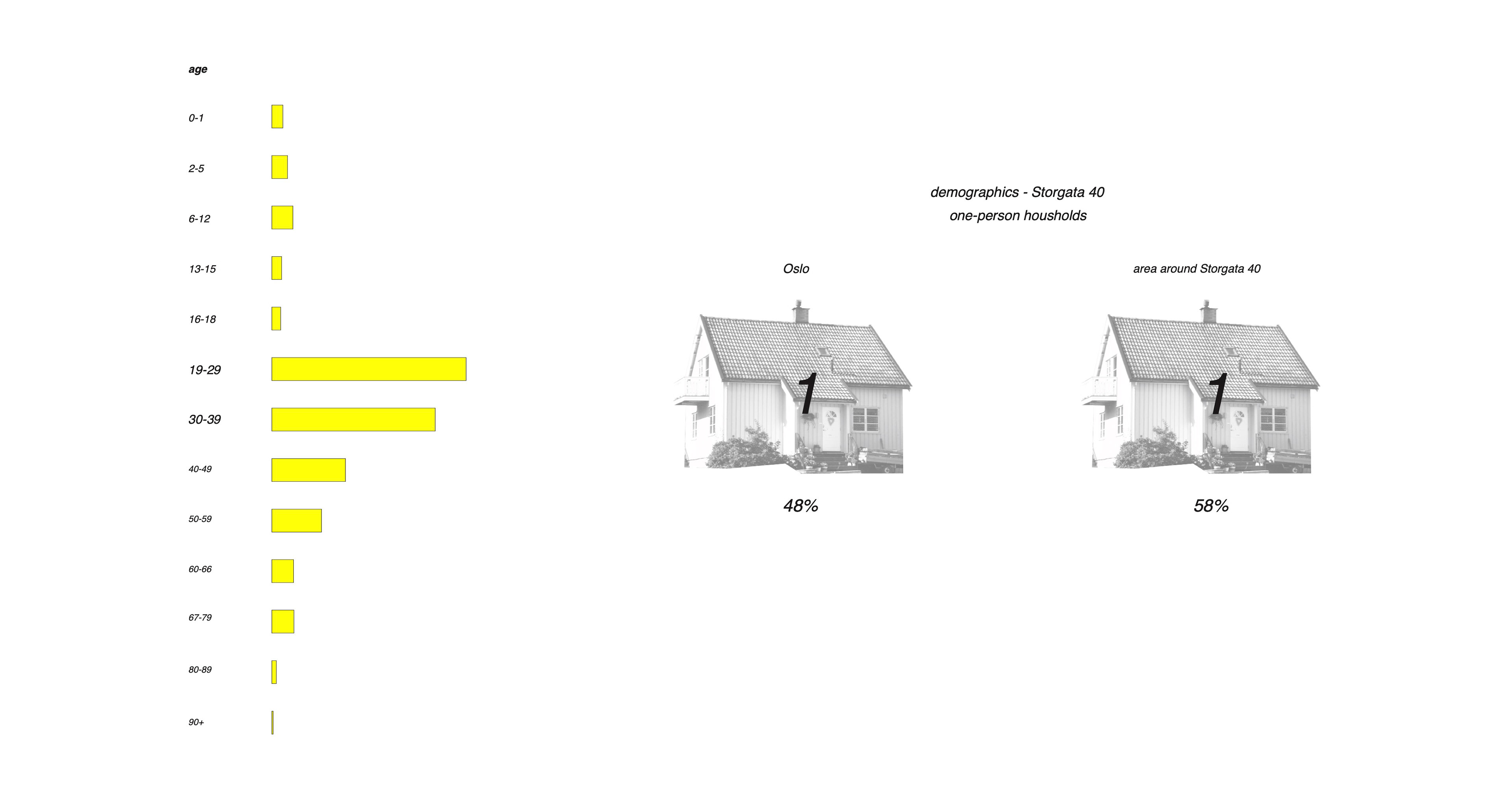
Storgata, where Grünerløkka meets St. Hanshaugen, is one of Oslo’s oldest and most significant streets. Today, Storgata is characterized by drugs and violence, creating a sense of insecurity. This perception is reinforced by tall, cold, and monotonous buildings that appear as repellent barriers, as well as the narrow sidewalks where people barely have room to walk without encountering the tram. Storgata therefore functions more as a transport artery rather than a place for staying. Storgata 40 is currently a social void, marked by a lack of social activity and interaction.
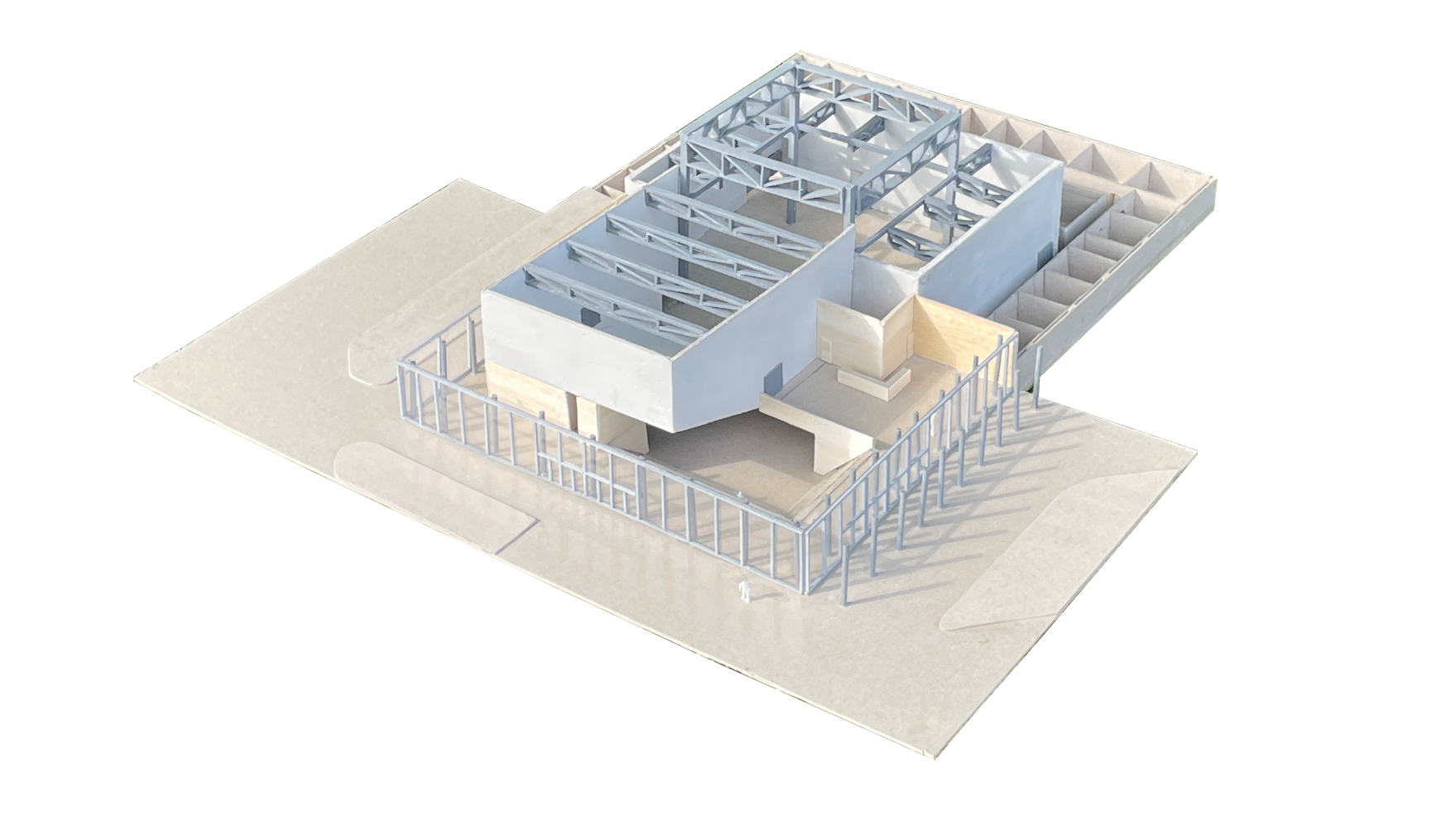
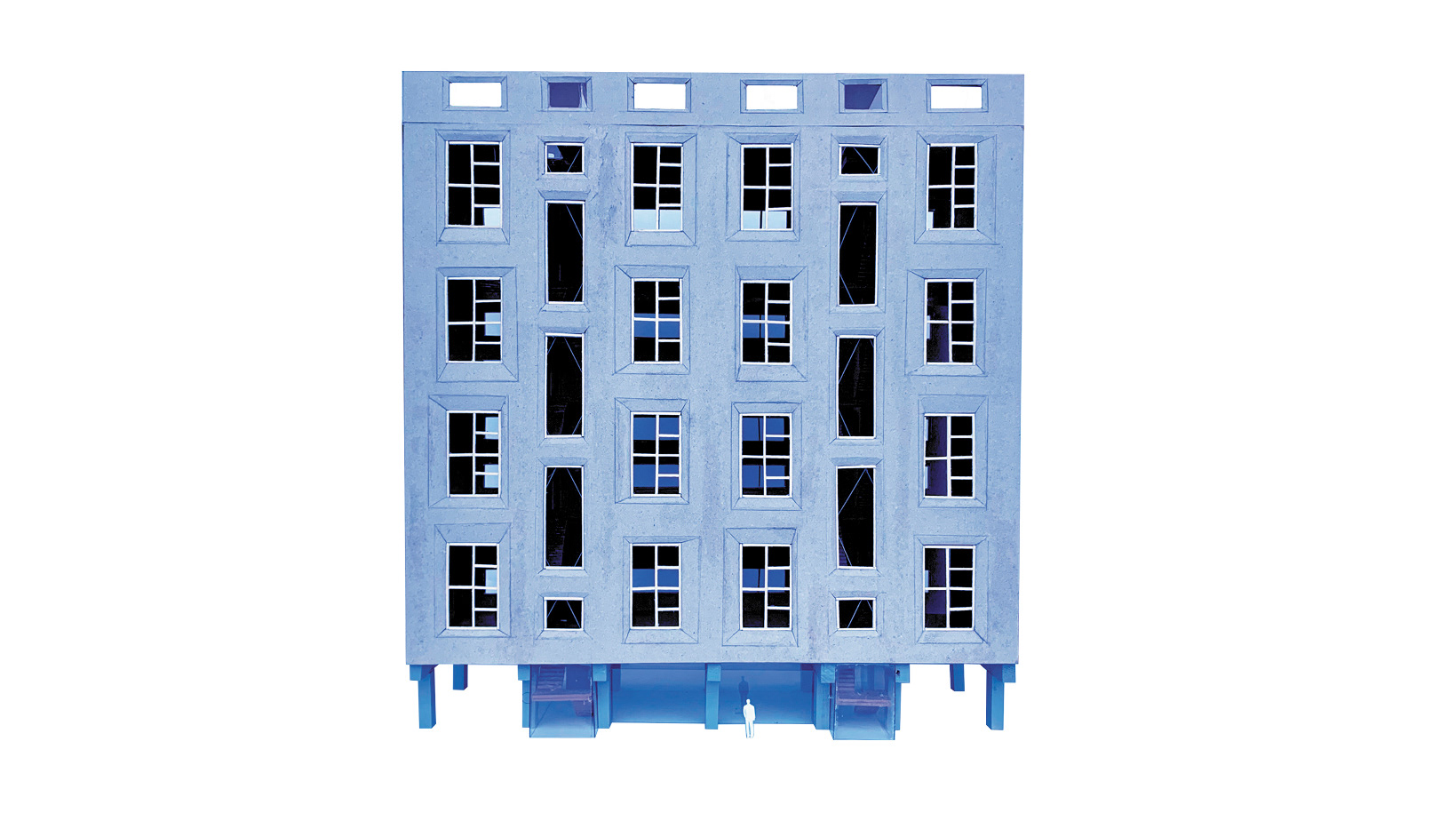
By examining how form can encourage social activity, the project seeks to transfer the social qualities of the farmyard to an urban situation. A farmyard is a central area on a farm consisting of several buildings arranged around a courtyard. A yard emerges when the buildings are placed so closely that they form a spatial community. The courtyard is centered in the middle, functioning as an open area for social gatherings, activities, and access to the surrounding buildings. In addition to fulfilling functional needs, the yard has historically also had an important social function. By utilizing the spatial qualities and social functions of the farmyard, Storgata 40 is transformed into a social and lively place in the city. The existing buildings are preserved, and two extensions are established to frame an open space in the middle. The buildings have various public programs on the ground floor to create a dynamic and cohesive place for public activity.
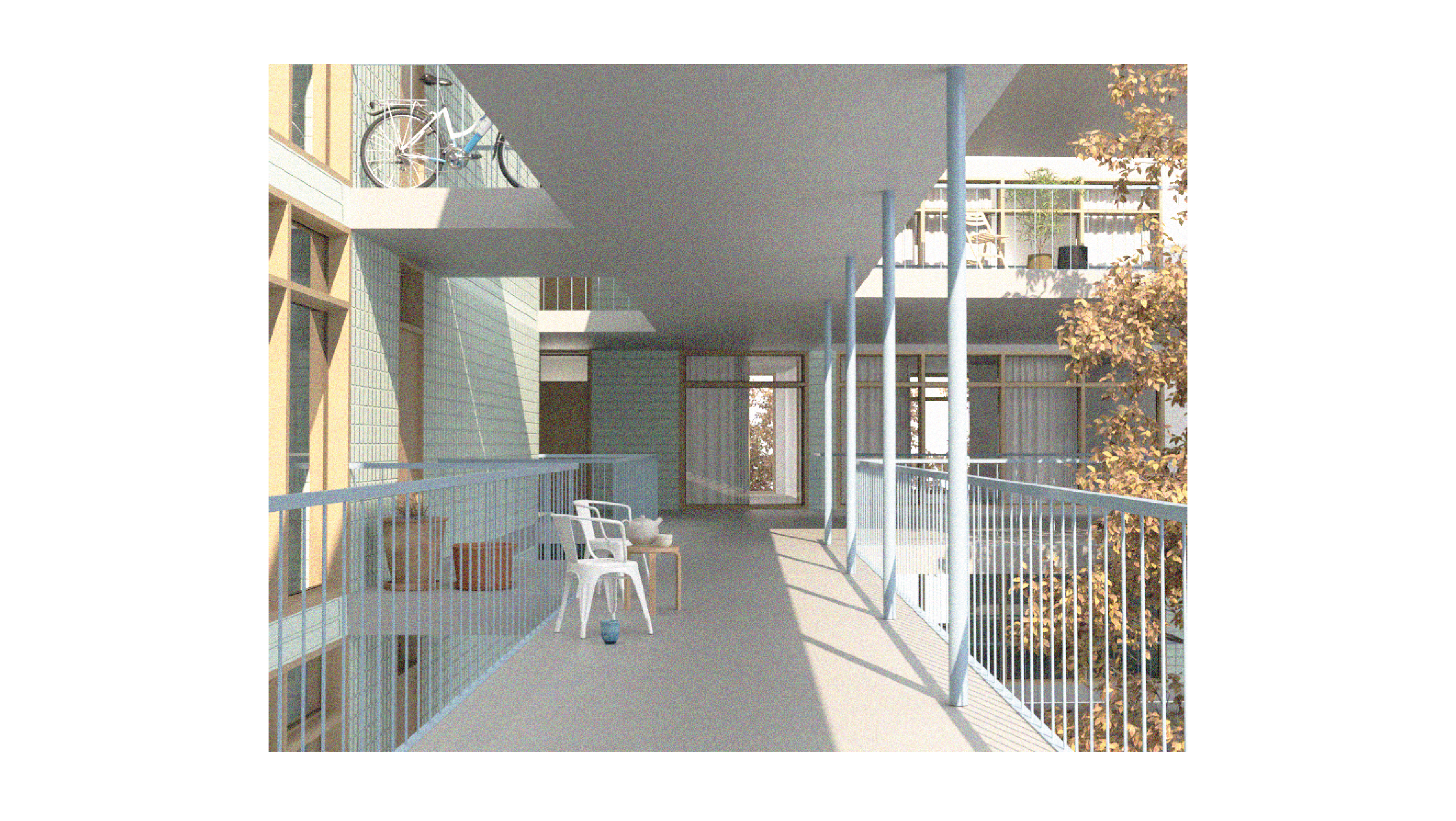
To make Storgata 40 a place for staying, the street layout is also restructured. The traffic lanes in Storgata are reorganized to give increased priority to pedestrians. Paving is used to create a greater coherence and unity to the area. In this way, the street, which today only functions for transit, becomes a place that feels safe and attractive to stay in. Reducing the traffic lanes also reduces noise on the site and improves the quality of living. Housing is placed upwards in the existing buildings. These are homes with a focus on social sustainability, where common functions, belonging, and community are central.
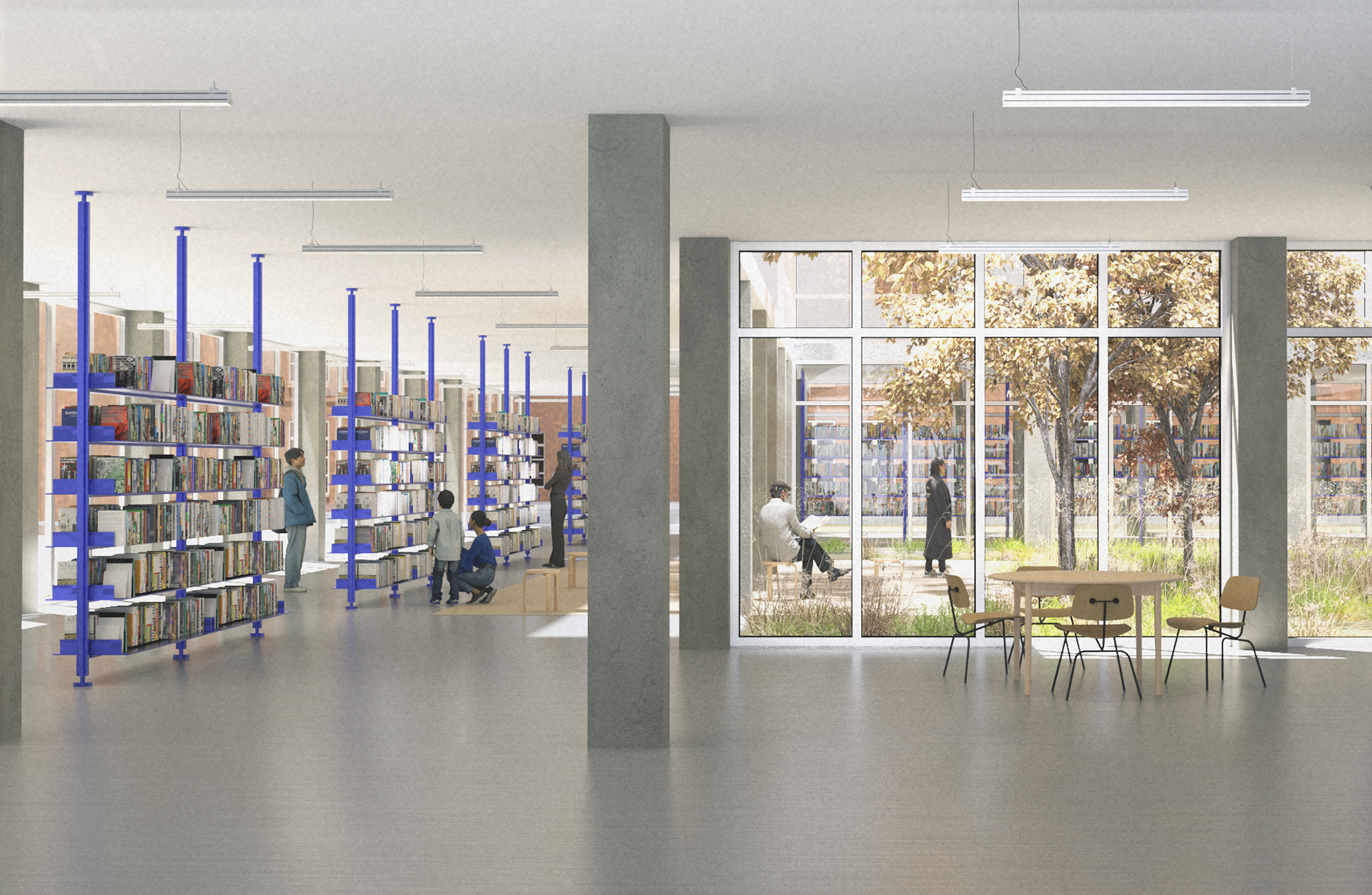
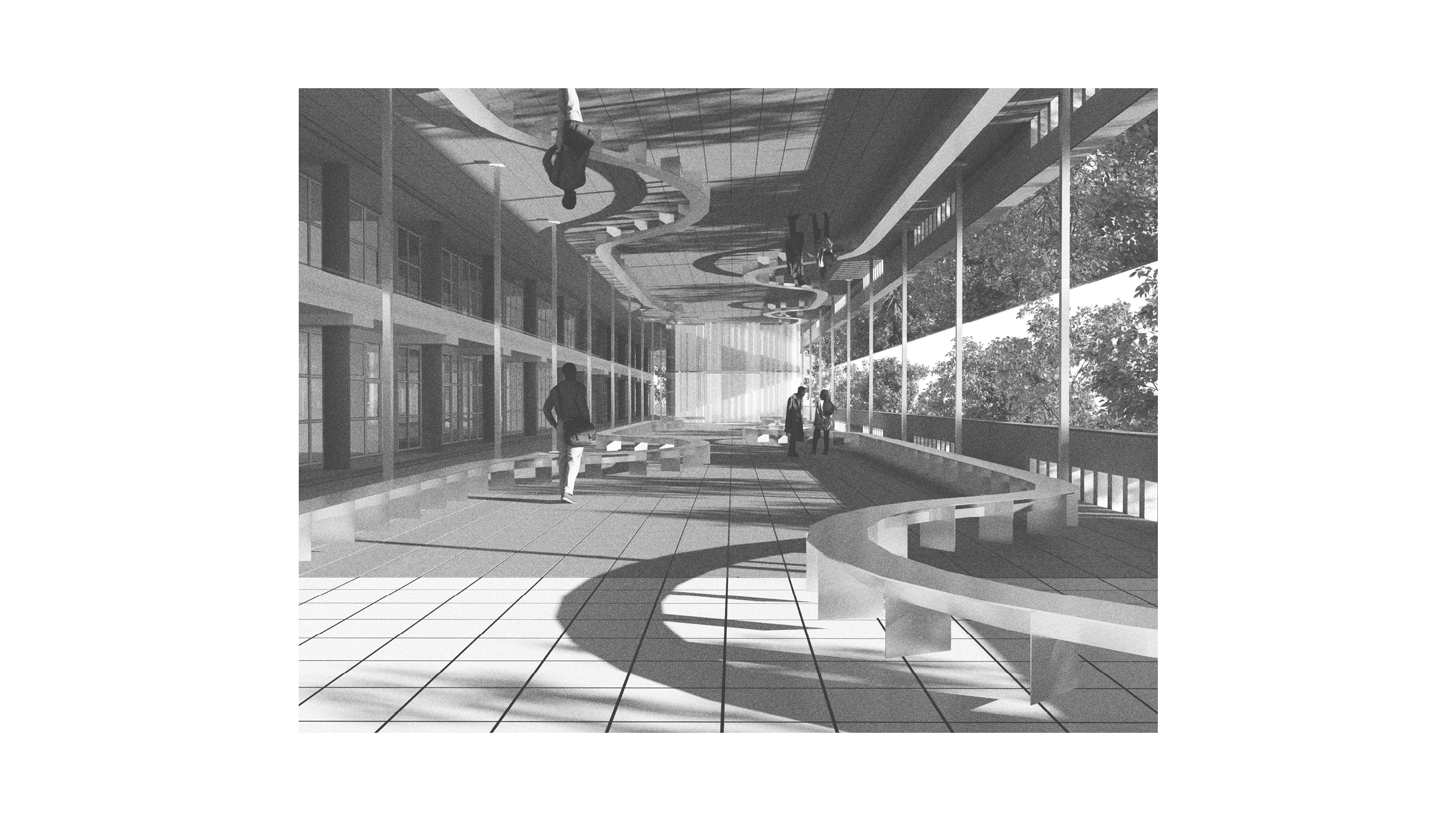
Render_library - interior
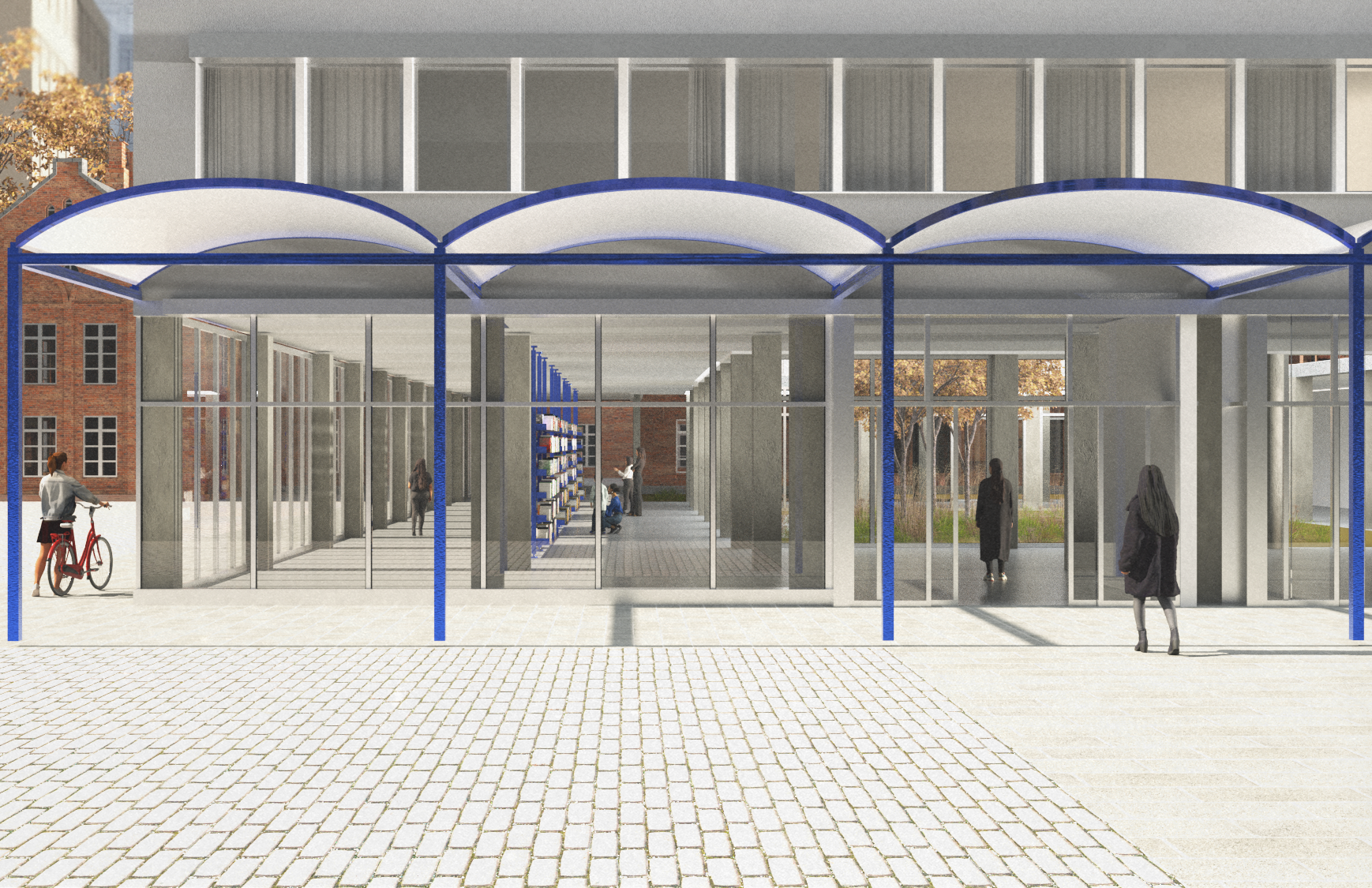
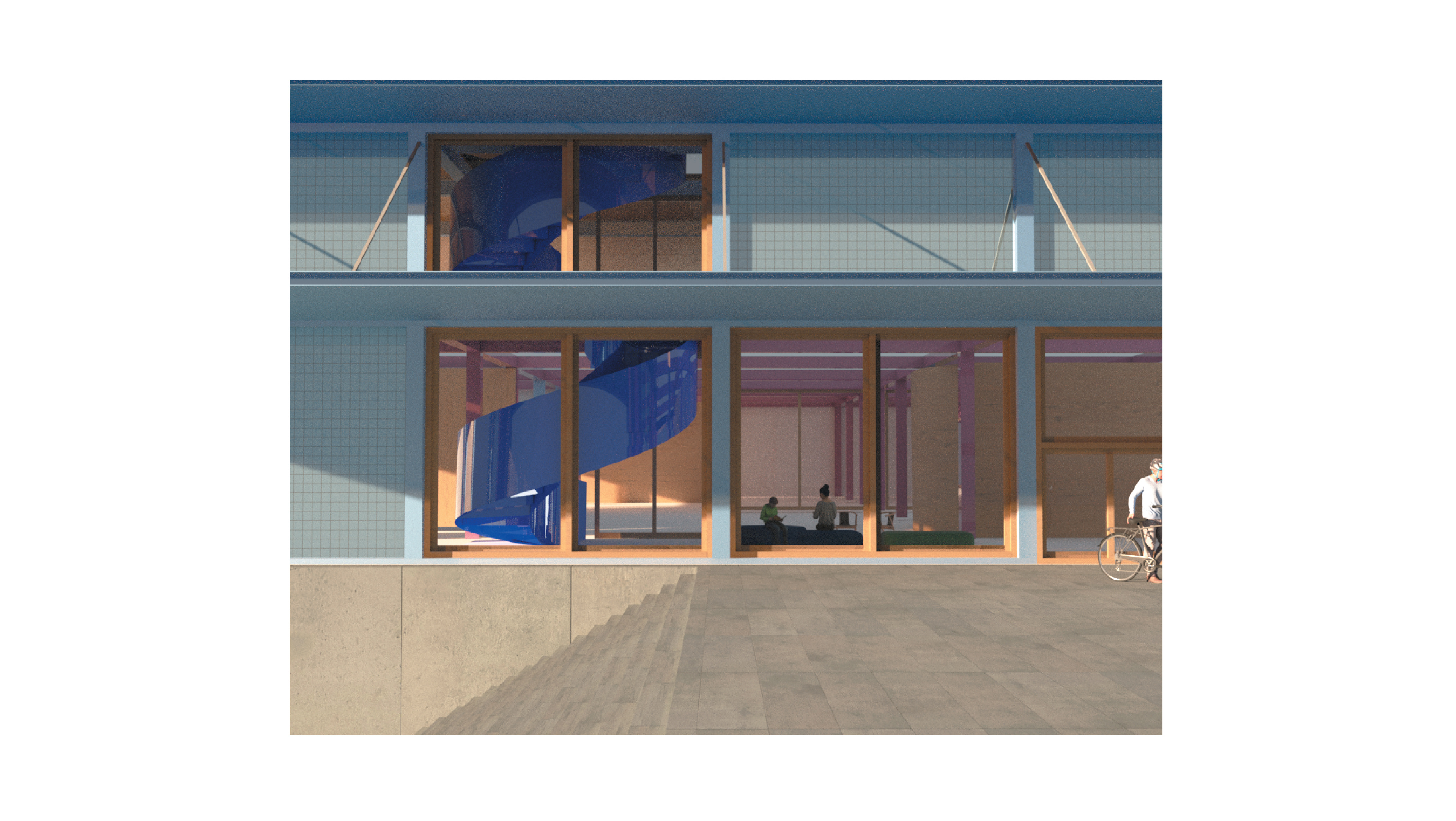
Render_library - exterior
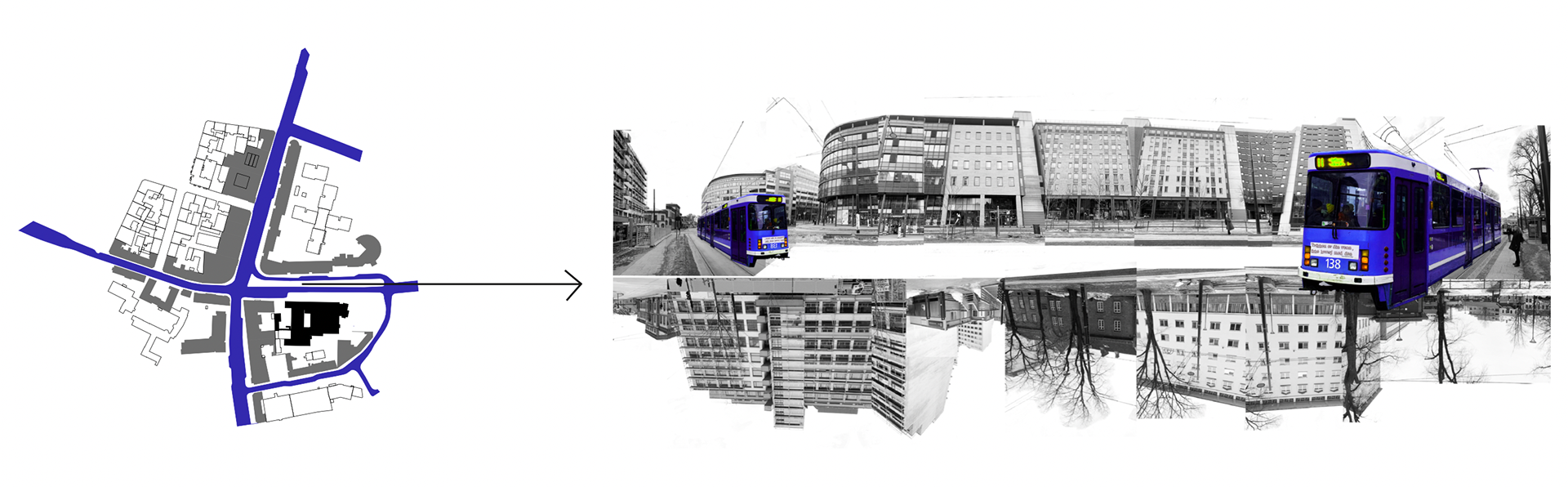
Storgata - a place for transit, but not a place to stay.
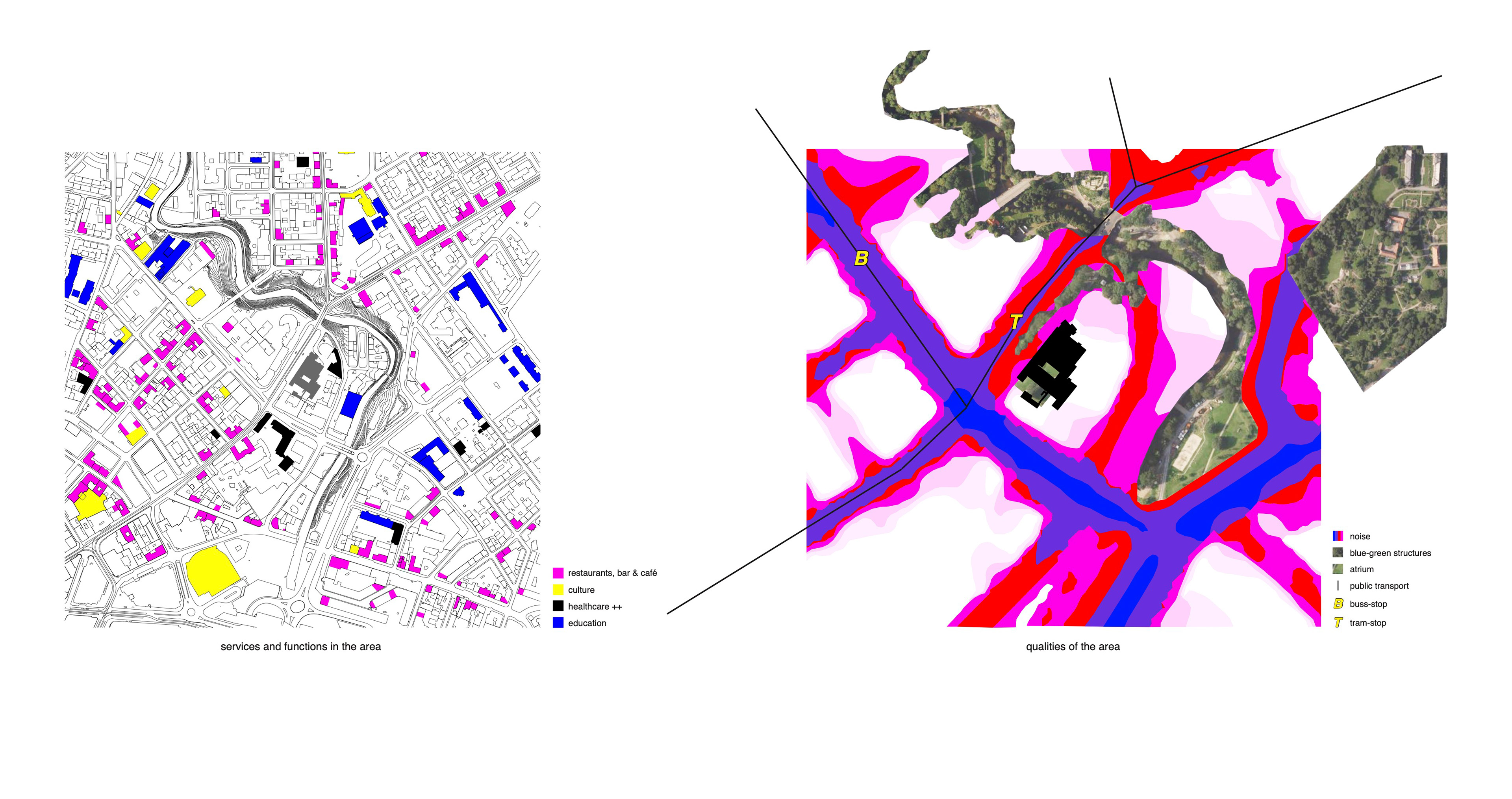
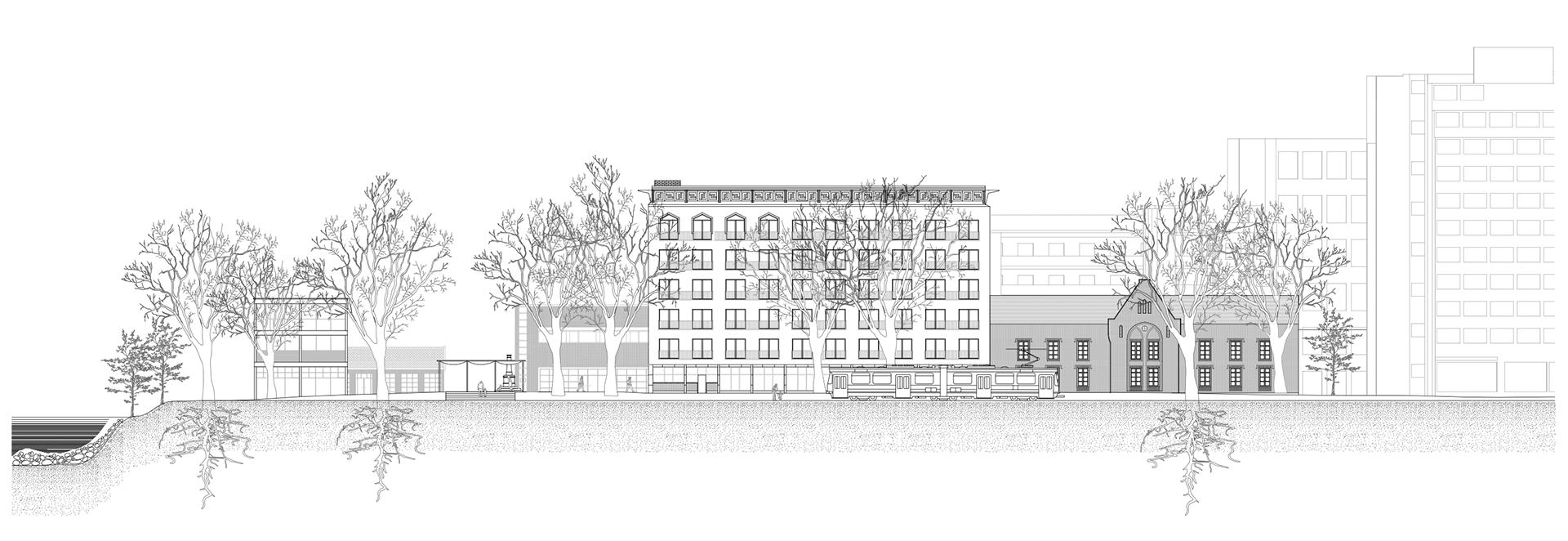
Section_1:300
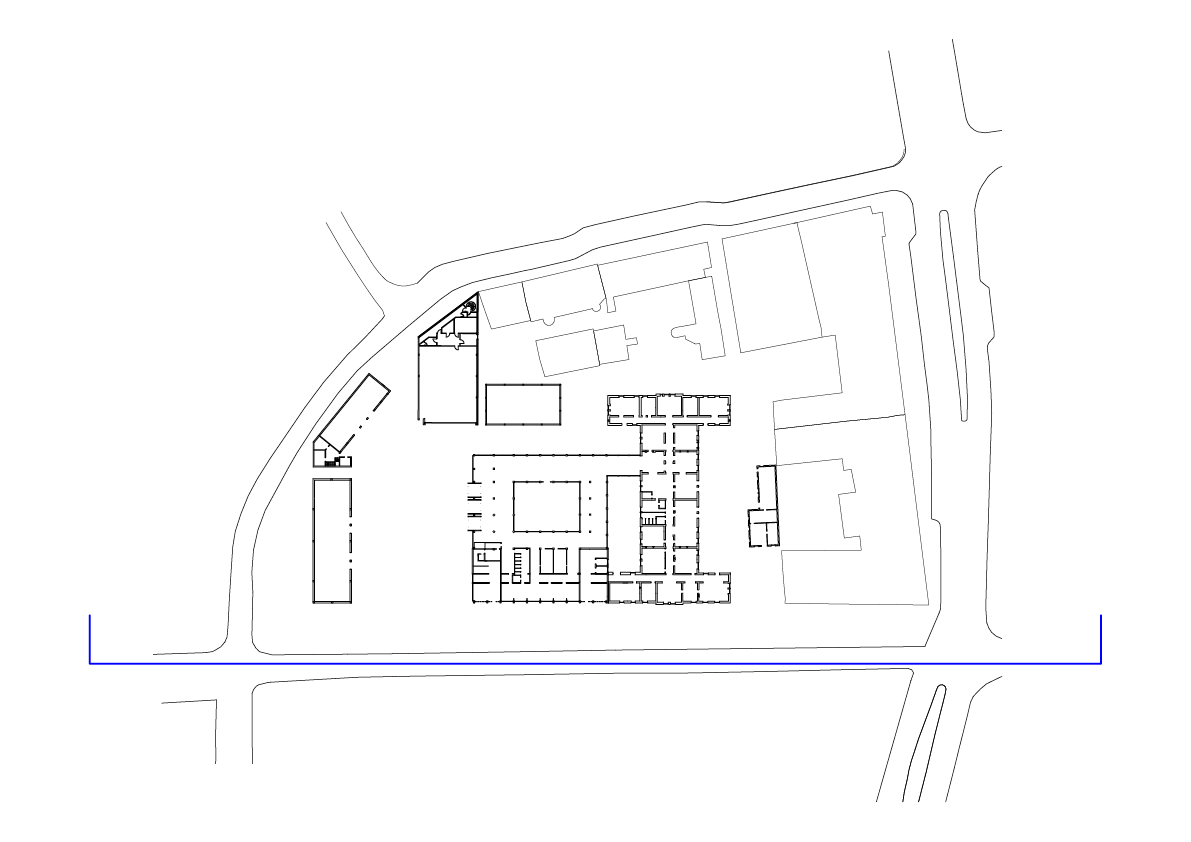
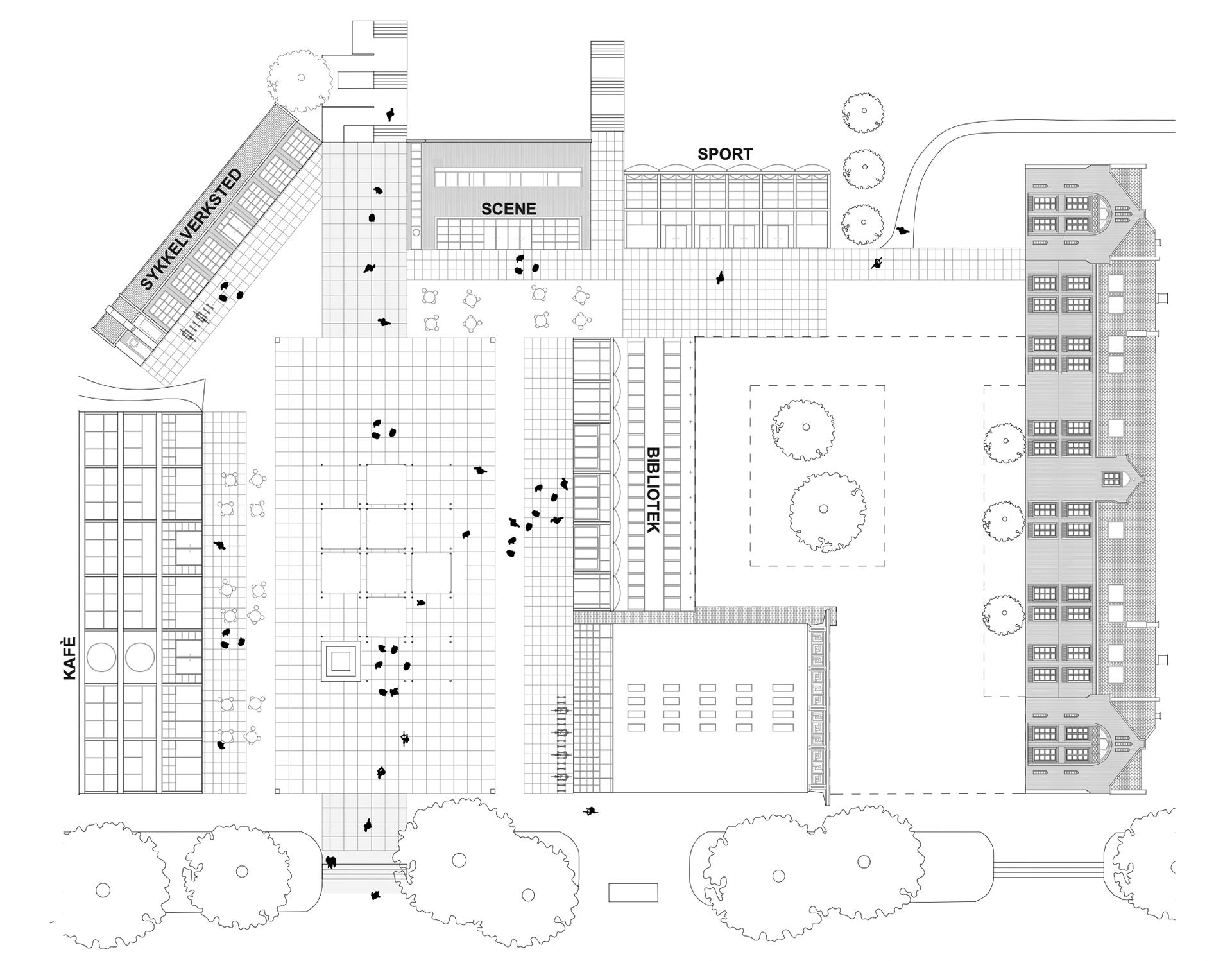
Diagram_1st floor program distribution
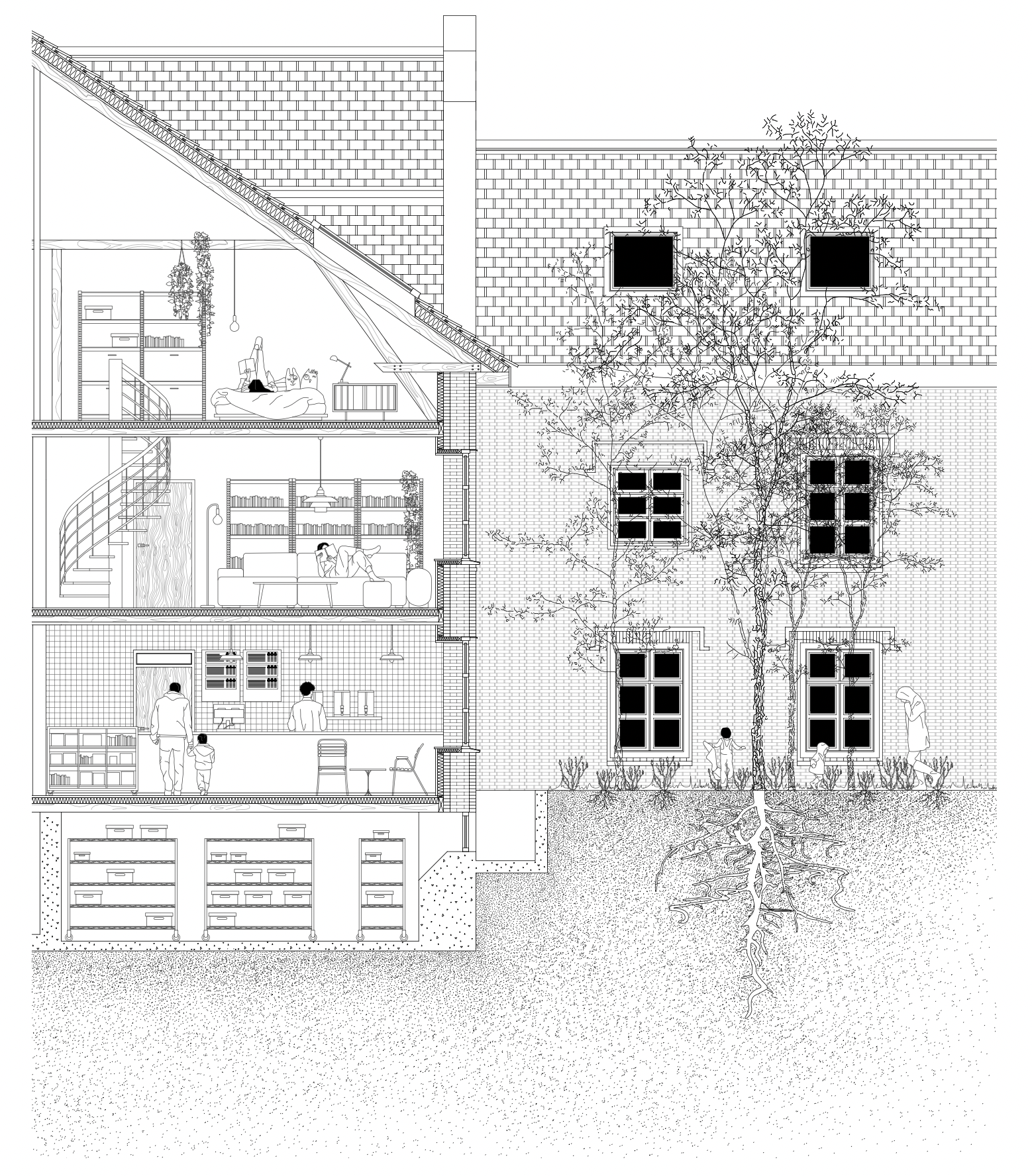
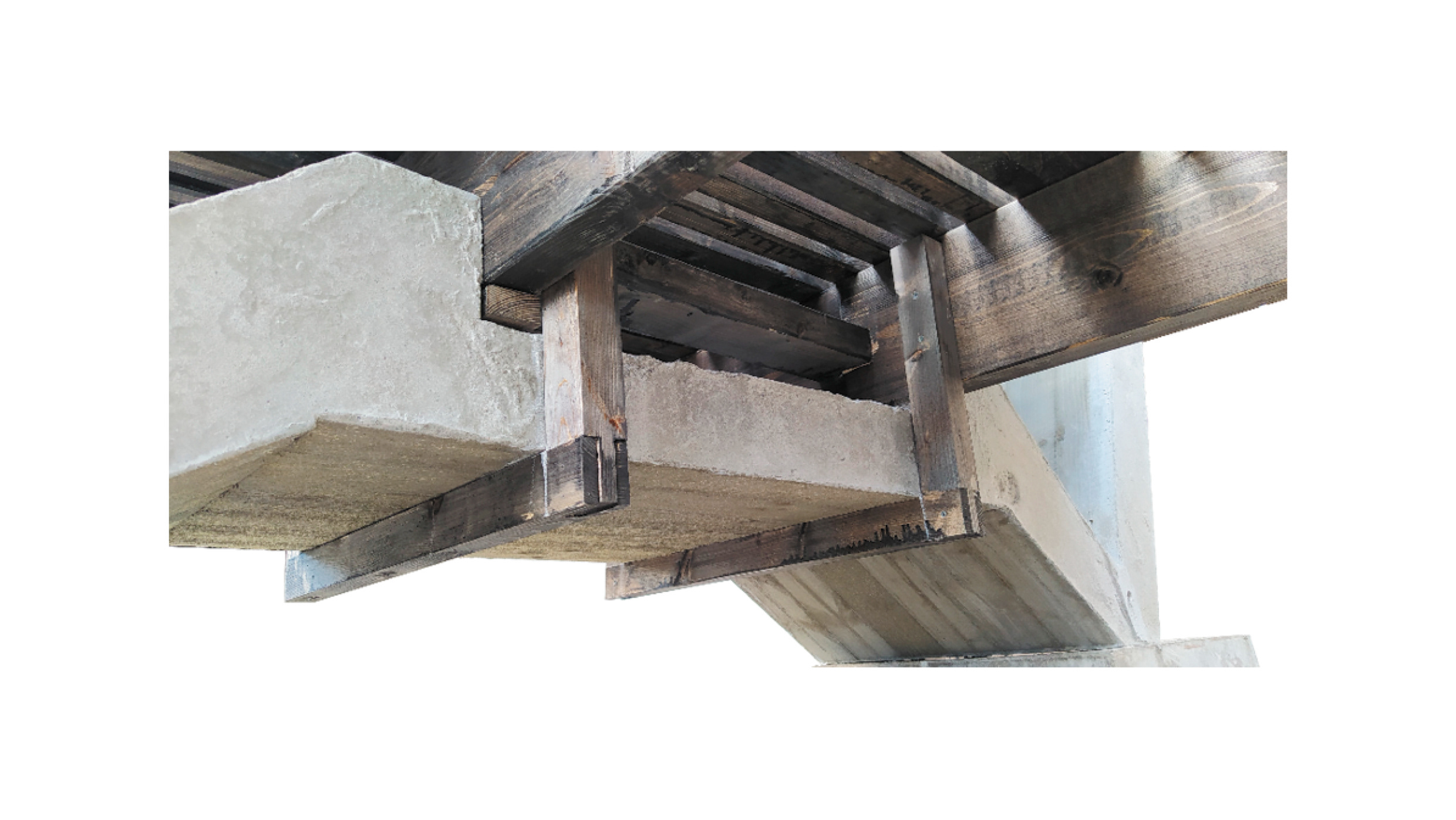
Detail_1:20
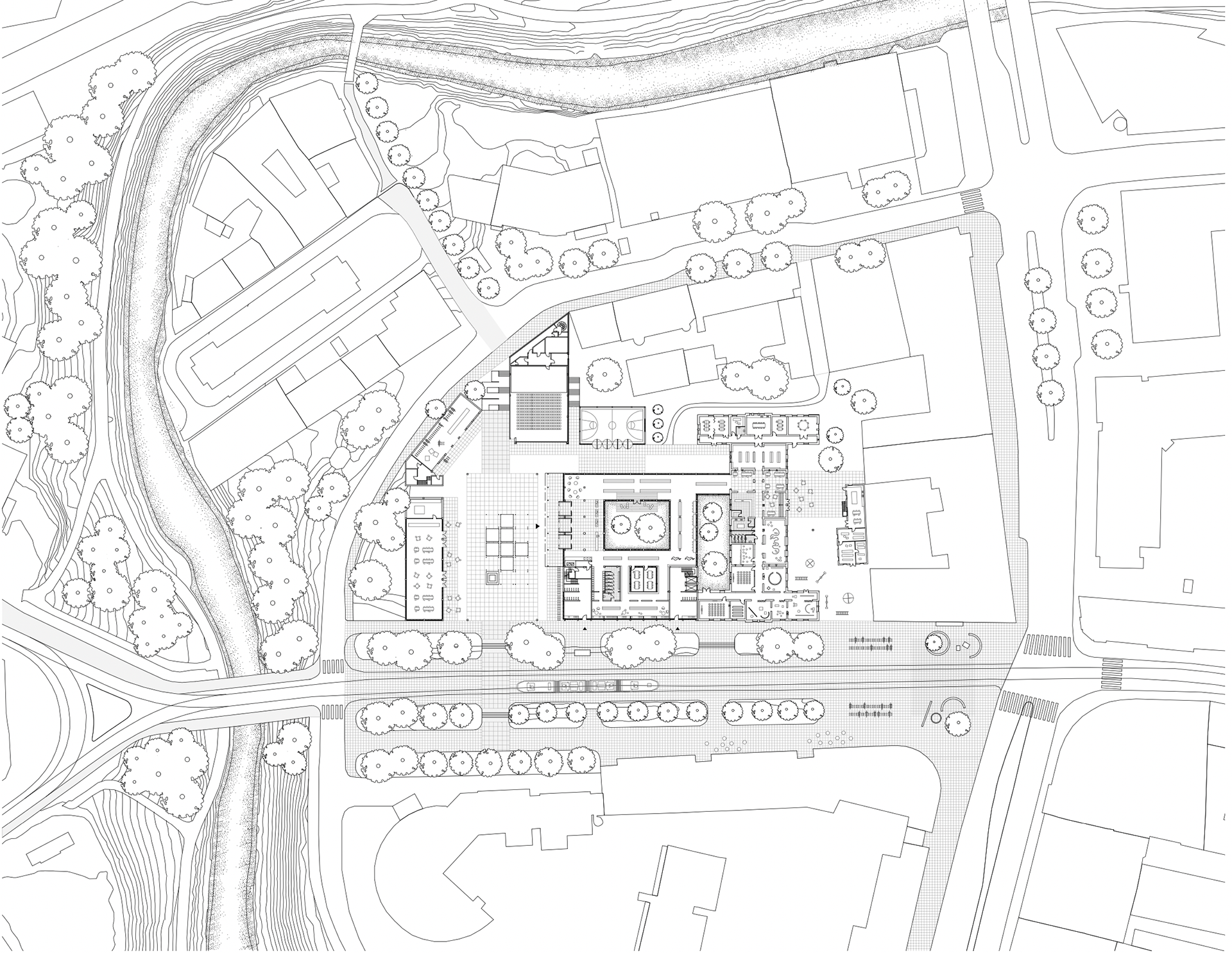
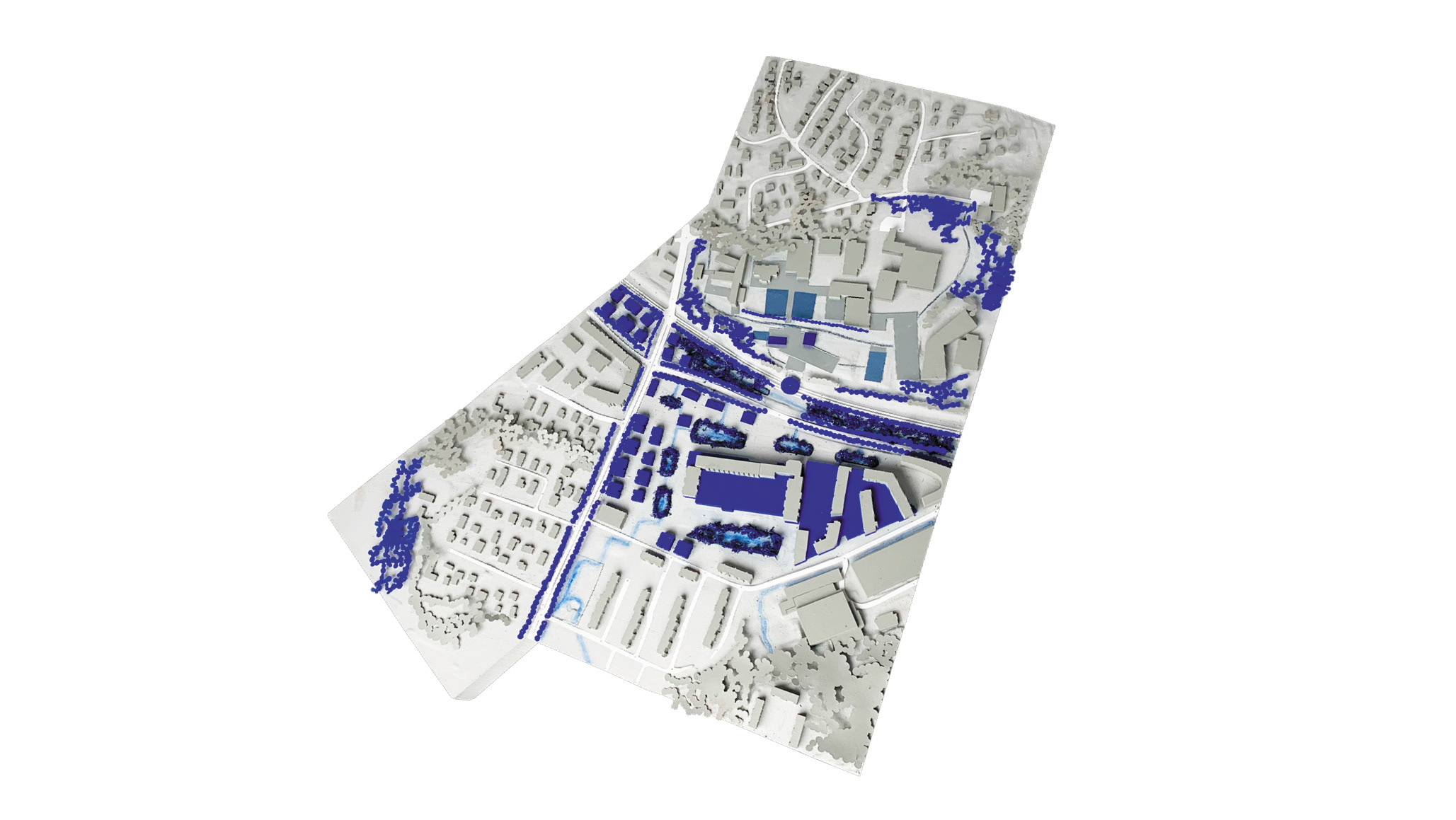
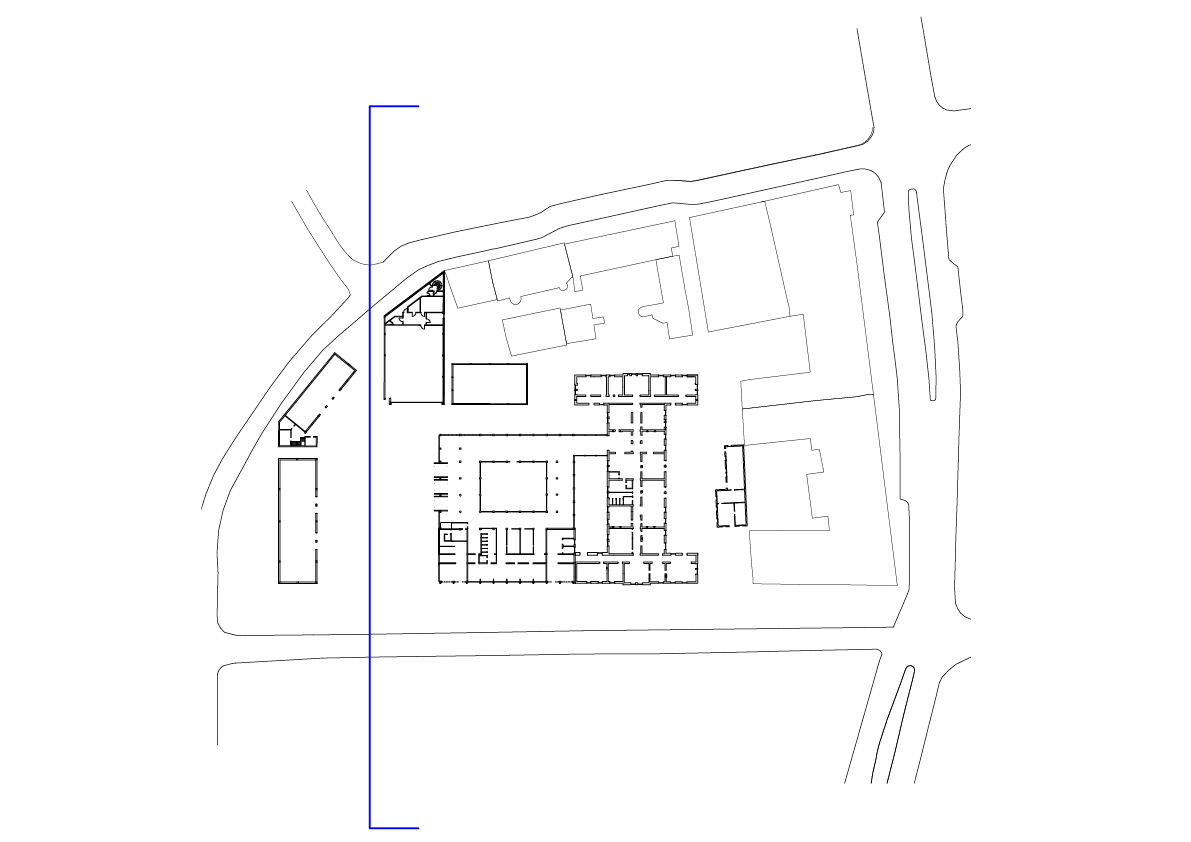
Site plan_1:1000

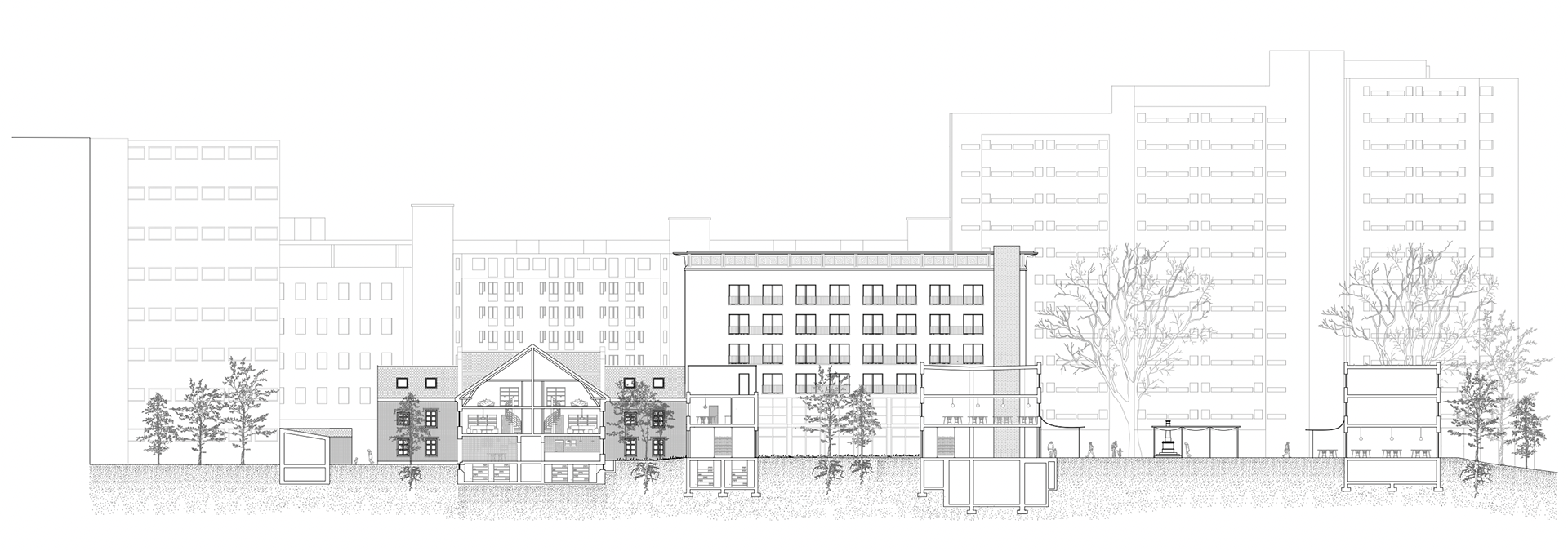
Section_1:300
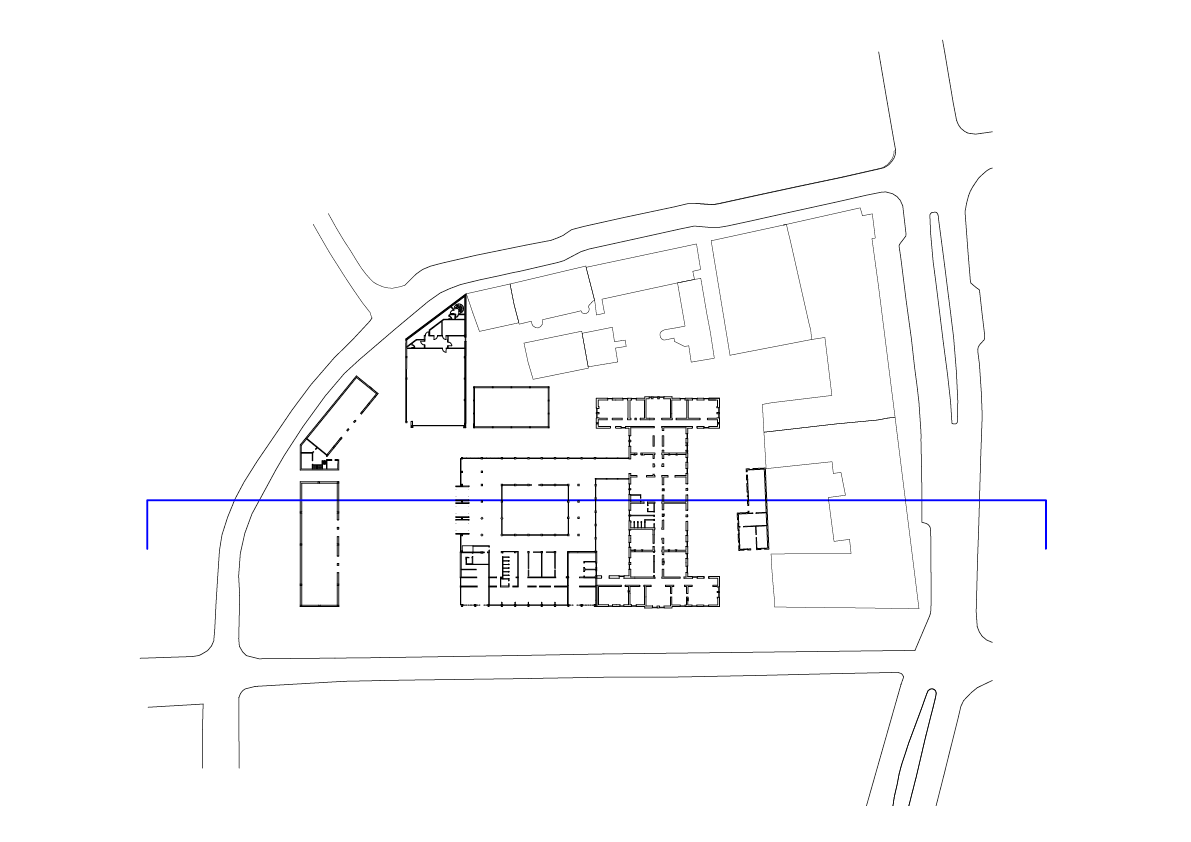
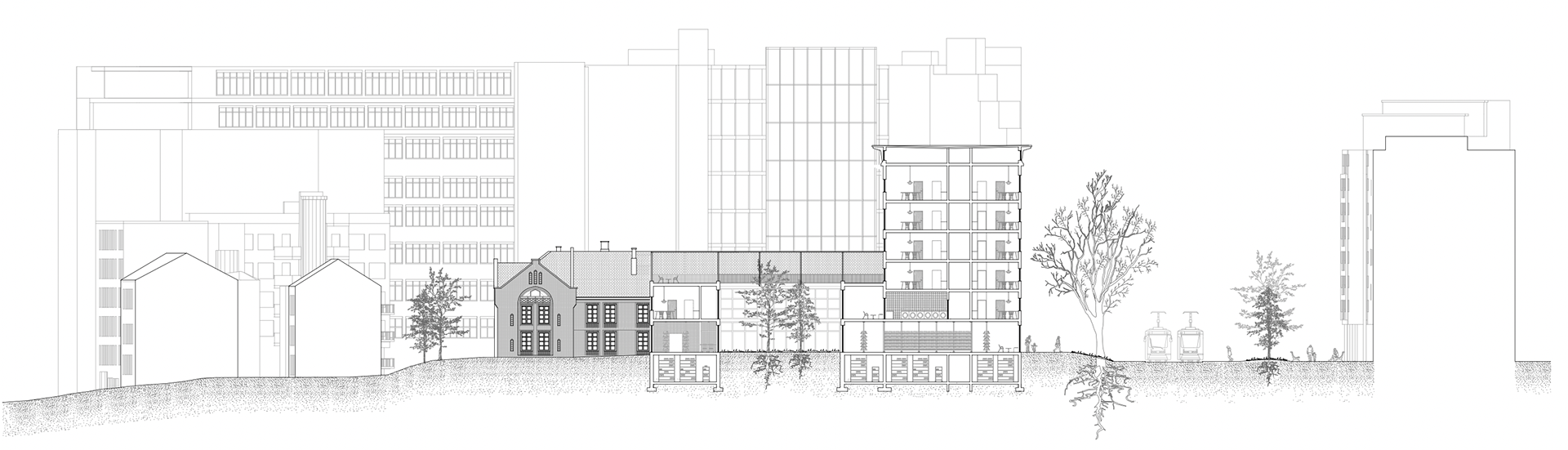
Section_1:300
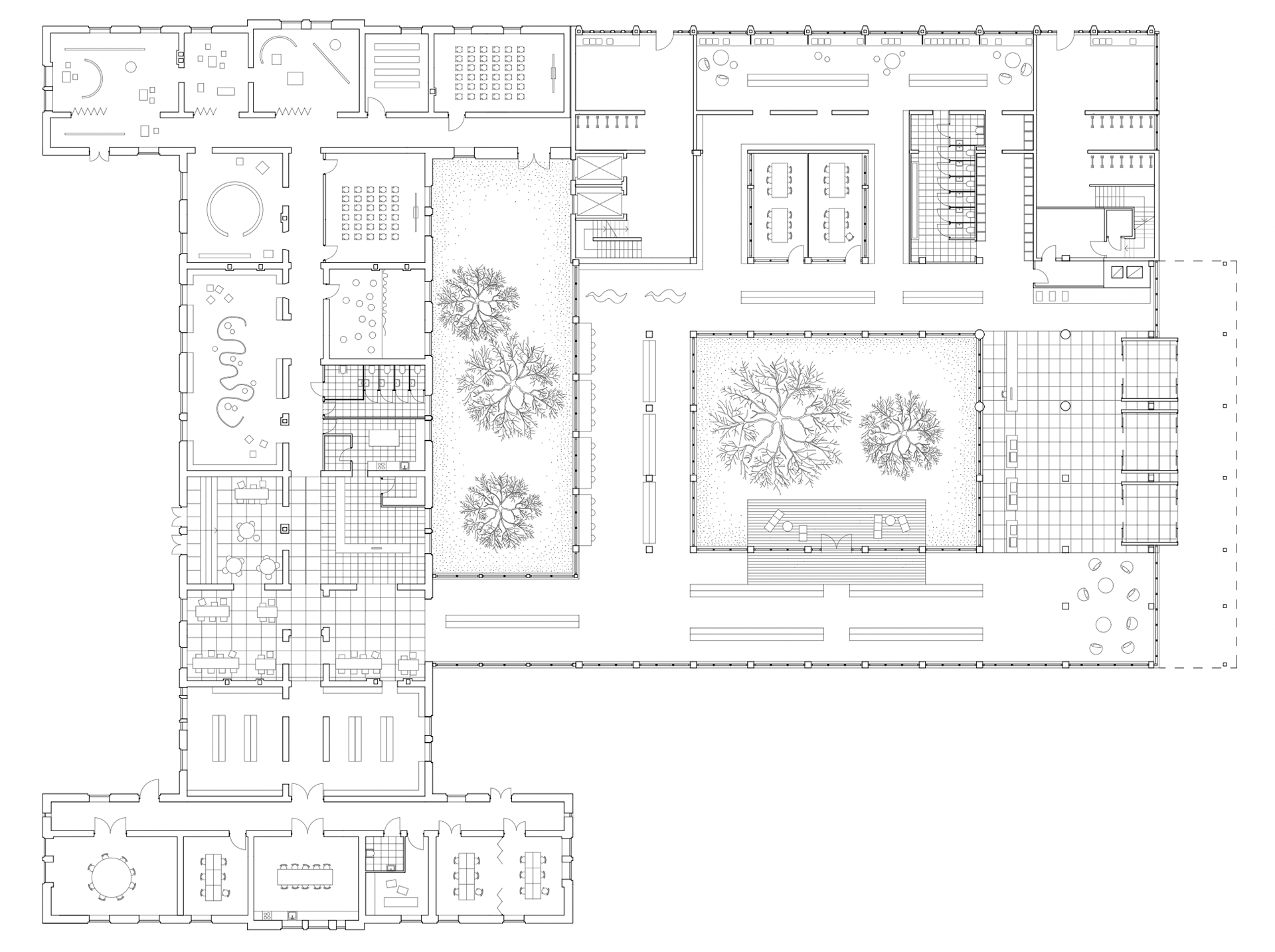
Plan 1st floor_1:300

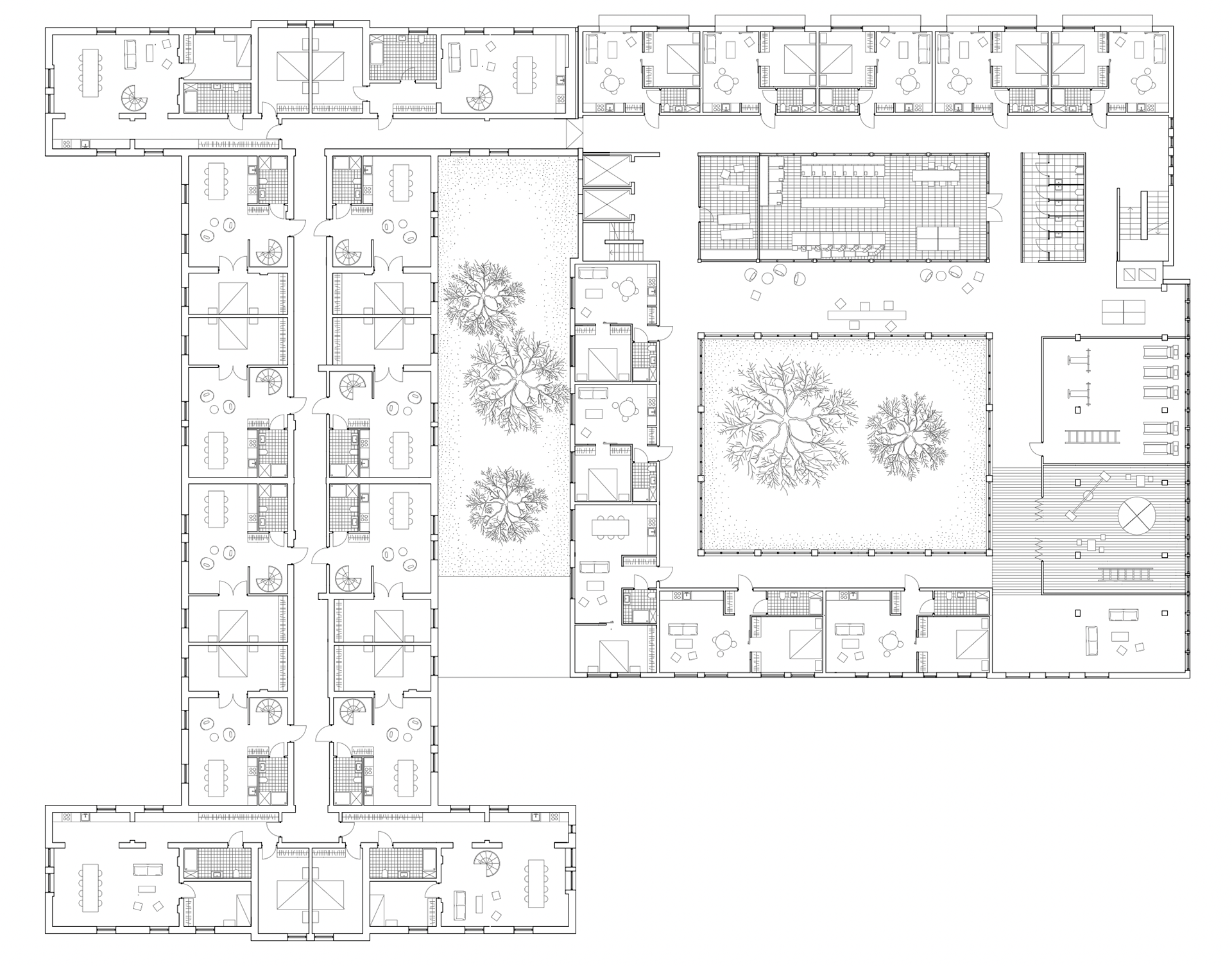
Plan 2nd floor_1:300

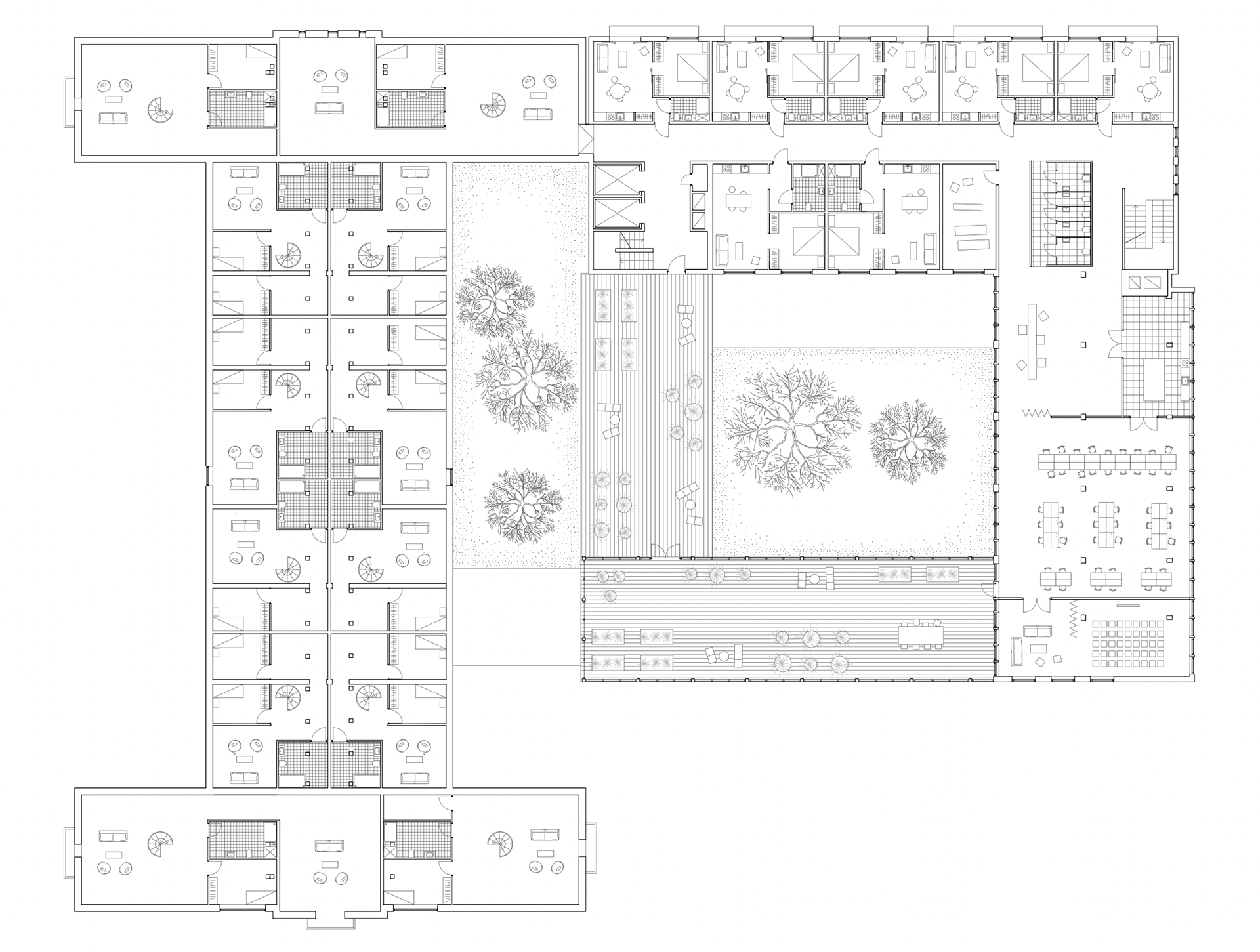
Plan 3rd floor_1:300

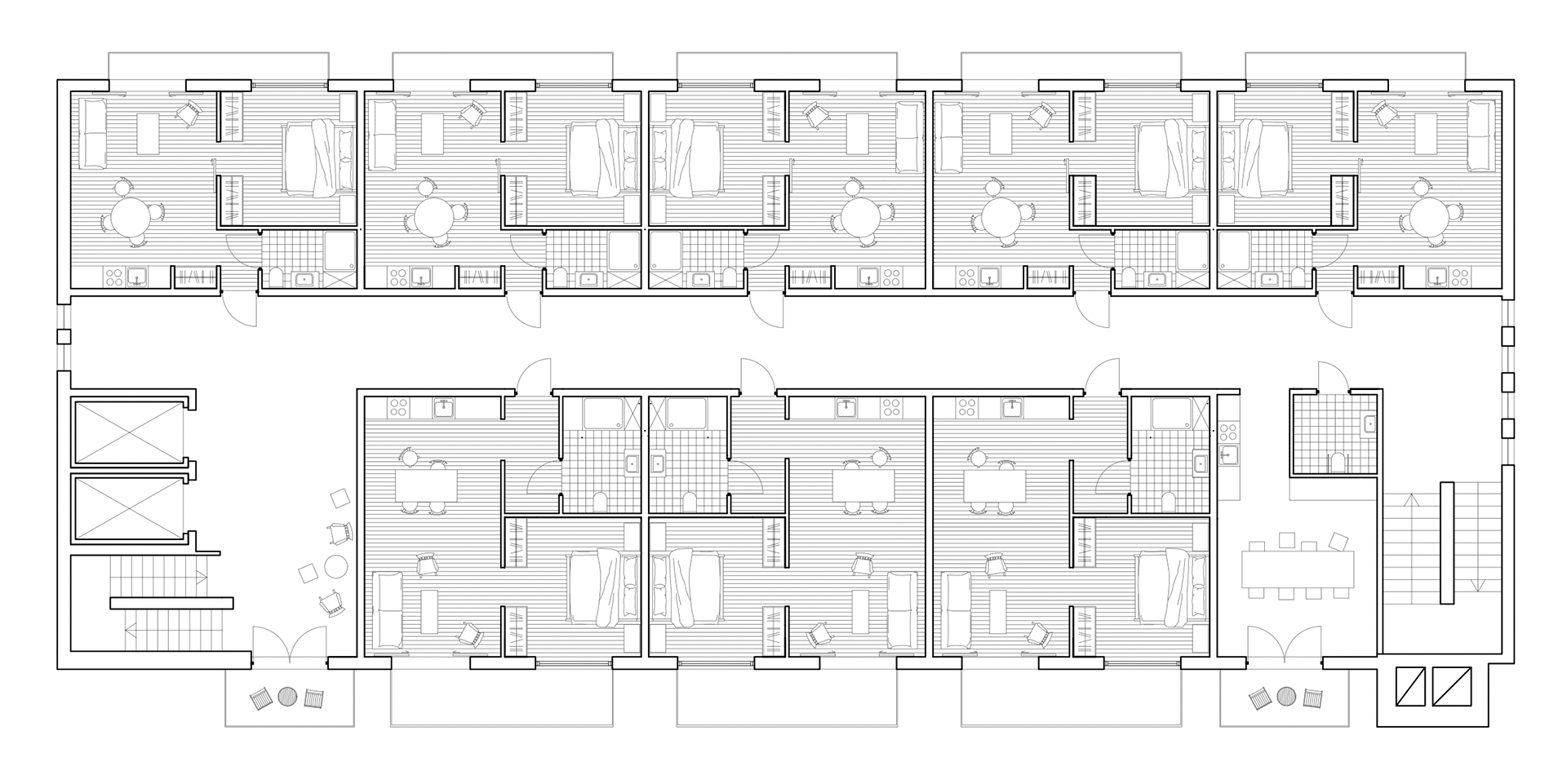
Plan 4th-6th floor_1:200